







Search Results for: Coffee shop lost items
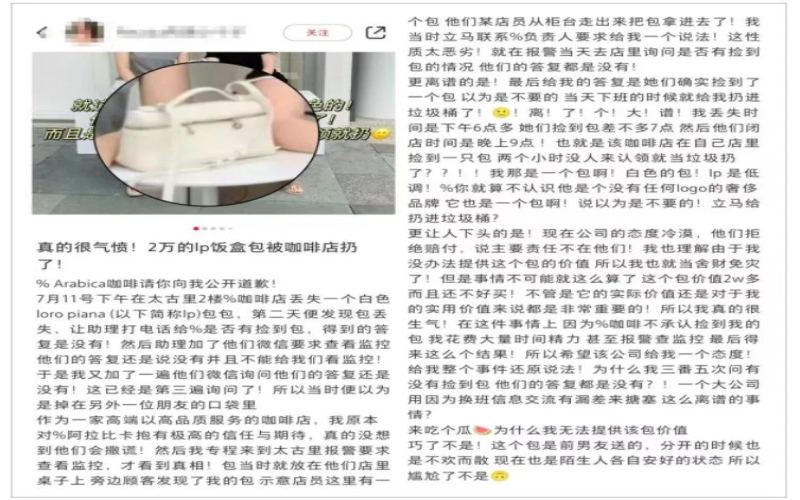
Customer's handbag worth 20,000 yuan left behind and thrown away as trash by coffee shop; store refuses to compensate, sparking dispute over liability
Recently, a netizen posted on social media about an incident in which they left their handbag behind while taking photos at a %Arabica store in a shopping mall. According to their account, the bag was found by other customers and handed to the staff for temporary safekeeping at the bar counter, but two hours later it was disposed of as trash by the employee on duty. Because the person could not provide proof of purchase or proof of the item's value, the store refused to review the surveillance footage and refused compensation. After the incident came to light, netizens engaged in heated discussion over whether lost items found by passersby should be kept by the coffee shop and whether the staff's handling was appropriate. Front Street Coffee will also continue to follow issues of property safety in such consumer settings. [more…]
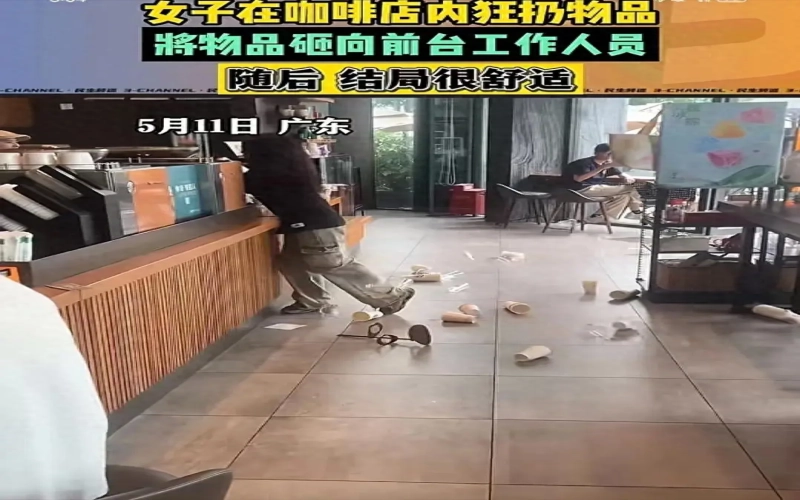
Shenzhen Starbucks Woman Smashes Coffee Cups in Store After Being Refused a Cup, Taken Away by Police
Recently, a conflict between a customer and staff occurred at a Starbucks store in Shenzhen. A woman, after being denied permission to take a coffee cup from the counter, suddenly lost control of her emotions, throwing cups and materials around the store, and even hurling cups and signs at the staff. Video of the scene quickly sparked discussion after spreading on social media. Some witnesses said the woman also kicked and damaged items at the entrance and insulted others in English and Cantonese, and was eventually taken away by police who responded to the call. Netizens hold differing views on store rules for managing consumables, how customers are communicated with, and the boundaries of behavior in public places. This article summarizes the course of the incident and voices from various sides, and includes some thoughts on the daily operations of coffee shops. [more…]
Drip Bag Coffee Shelf Life and Peak Flavor Period Explained: Brewing Water Temperature, Key Parameters, and Whether It Can Be Reused
Drip bag coffee, with its dual advantages of convenience and flavor, has become a daily choice for many coffee lovers. But how long can a pack of drip bag coffee actually be stored? How should it be brewed to restore the best taste? Can the same drip bag be brewed repeatedly? This article will explain item by item the shelf life and optimal flavor period of drip bag coffee, the drinking time limits for different roast levels, brewing water temperature and parameter adjustments, as well as tips for judging freshness. It will also address the misconception of repeated brewing and include complete drip bag brewing steps to help you consistently brew a delicious cup of black coffee at home. [more…]

Ten camping chairs stolen from a Huangshan coffee shop in the early hours; surveillance captures the whole process, police urge businesses to step up precautions.
In recent years, camping-style furniture has become wildly popular in the food and beverage industry, with lightweight, portable folding tables and chairs that create a strong atmosphere having become almost standard equipment for coffee shops. However, these convenient and practical pieces of furniture have also become a hot target for thieves. A coffee shop in Huangshan, Anhui, fell victim to a bizarre theft — not a cent of cash was touched, but ten camping chairs in the courtyard vanished without a trace. After reviewing surveillance footage, police uncovered a truth that was both exasperating and laughable: a couple passing by late at night sat down to rest, found the chairs so comfortable that they spontaneously decided to carry them off. This case reflects the widespread loopholes in theft prevention management among coffee shop owners and has also drawn industry attention to the safety of camping-style furniture. [more…]
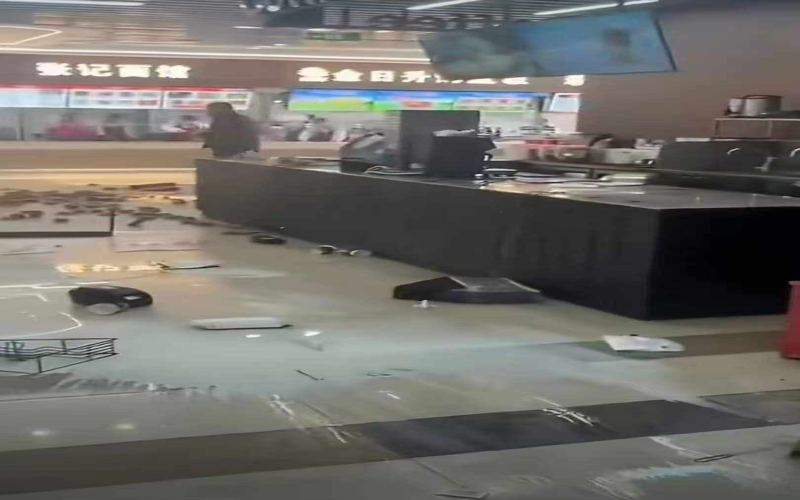
Cotti Coffee outlet in the cafeteria of Jilin University of Finance and Economics was vandalized by students; the university responded that no one was injured at the scene.
Recently, a Cotti Coffee outlet inside the cafeteria at Jilin University of Finance and Economics was suddenly vandalized by a male student. The bar area was left in complete disarray, with tables, chairs, takeaway cups, and cash register equipment scattered everywhere. According to students who witnessed the incident, the student involved appeared to have lost emotional control, possibly after being rejected in a confession of love. He first stomped his feet and slapped the tables, then flipped them over and rushed to smash the coffee shop's machines. The whole ordeal lasted over ten minutes, forcing the store staff to hide by the entrance. After the incident, campus security personnel quickly arrived and escorted the student away, and the university confirmed that no one was injured. The store involved has currently suspended operations, and the first floor of the cafeteria has returned to normal operation, but the exact amount of damage has not yet been disclosed. In this episode of coffee news, Front Street Coffee joins you in following the developments of the incident. [more…]
How long can coffee beans be stored after roasting? An analysis of the resting period for pour-over beans and the patterns of flavor loss
When buying coffee beans, the roast date is often more worth paying attention to than the expiration date. The shelf life of roasted coffee beans is usually between six months and a year, and you generally won't wait until they expire before finishing them—but what truly determines flavor performance is the brief golden window after roasting. After roasting is complete, coffee goes through a resting period of about four to seven days, after which it reaches its flavor peak; from then on, the aroma gradually fades, eventually leaving only a woody taste. Among these, volatile compounds such as floral and fruity notes are the first to be lost, while water-soluble components like sugars, nuts, and chocolate remain relatively stable. This article focuses on the freshness cycle of coffee beans, resting duration, and patterns of flavor change, helping pour-over enthusiasts seize the best time to drink, and includes practical advice from Front Street Coffee. [more…]
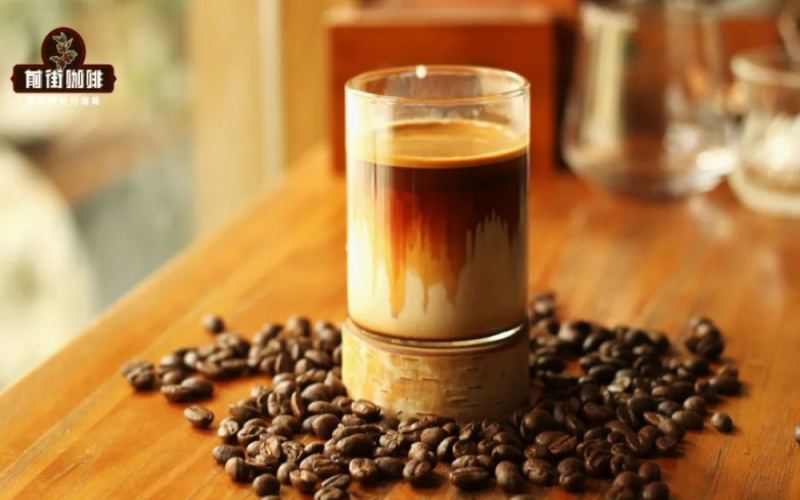
Why is Dirty coffee rarely seen in food delivery? And does dirty coffee really need to be finished within three sips?
Dirty is often mistaken for an iced latte, but in fact it differs in cup size, layering, and drinking rhythm. It relies on the layers of espresso and cold milk to create an alternating hot-and-cold mouthfeel, but precisely because of this it is extremely fragile—after ten minutes it has lost all visual appeal, and after twenty minutes it is almost indistinguishable from milk tea. For this very reason, Dirty cannot withstand the bumps of delivery the way a latte can. This article will break down, one by one, from production details and flavor changes to real delivery tests, why this cup of coffee must be made and drunk on the spot, and how it differs in essence from ordinary milk coffee. [more…]
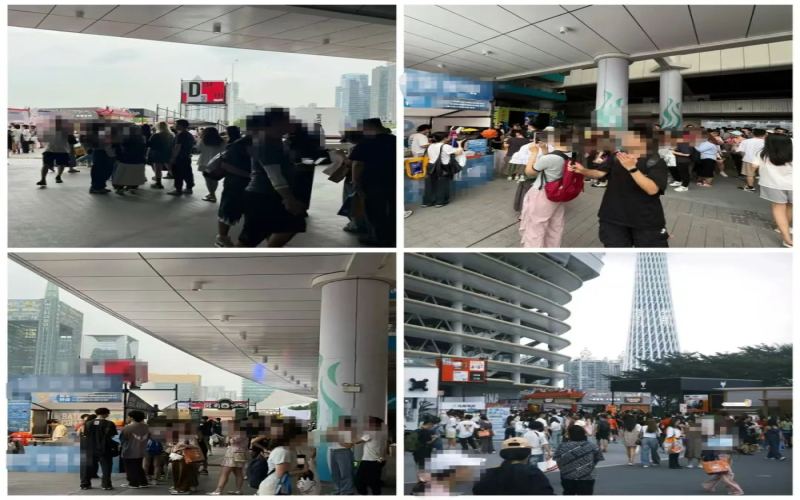
Coffee festival drink pricing sparks debate: specialty drinks often cost dozens of yuan, pour-over can exceed six hundred, and value-for-money at Front Street Coffee and other brand stores is more favored
A recent large-scale coffee festival in Guangzhou has drawn widespread attention, bringing together many well-known coffee brands from home and abroad, with an overwhelmingly popular turnout. However, many attendees found that drink prices at the stalls were generally high, with specialty drinks mostly in the forty to fifty yuan range, Combo packages often exceeding eighty yuan, and pour-over coffee ranging from several dozen yuan to over a hundred, with some even priced at more than six hundred yuan. Some customers discovered after comparison that certain brands actually offer affordable options around ten-plus yuan at their offline stores, yet only the most expensive items were displayed at the coffee festival. What exactly is the reason that turned the coffee festival into a "high-priced market"? What cost pressures are exhibitors facing? Is the visitor experience still as originally intended? This article takes you through a closer look, along with observations and suggestions from brands such as Front Street Coffee. [more…]
A Comprehensive Analysis of Coffee Cupping Methods: Flavor Evaluation Differences Between the Brazilian Method, SCAA, and Front Street Coffee's Pour-Over Cupping
Cupping is a core method used in the coffee industry to objectively evaluate coffee flavor and quality, and it is also an important part of barista training. This article systematically reviews the significance and operational logic of cupping, and compares in detail three approaches: the Brazilian cupping method, the SCAA standard cupping method, and the pour-over cupping method recommended by Front Street Coffee. The article points out that Brazilian cupping focuses on identifying defects and is a negative evaluation; SCAA cupping emphasizes positive assessment of aroma and flavor; while the cupping method used by Front Street Coffee simulates daily brewing equipment and is closer to actual cafe output. The three methods each have different emphases in roast level, extraction method, and evaluation items, and understanding these differences helps roasters and coffee professionals judge coffee quality more accurately. [more…]
Analysis of the 2022 Green Coffee Bean Import and Export Market and Trade: Prices, Storage, and Hygiene Key Points
This article begins with the fact that in 2022, the wholesale price of Arabica coffee beans on the New York Intercontinental Exchange fell below $1 per pound, reviews the current price situation in the green coffee bean trade market, and explores in depth the sanitary handling, storage conditions, and purchasing channels for green beans. The article also offers suggestions on practical issues such as green bean washing and temperature and humidity control, while reminding industry practitioners to raise their awareness of coffee bean food safety, helping coffee enthusiasts and industry professionals gain a more comprehensive understanding of the key stages of green beans from import to before roasting. [more…]
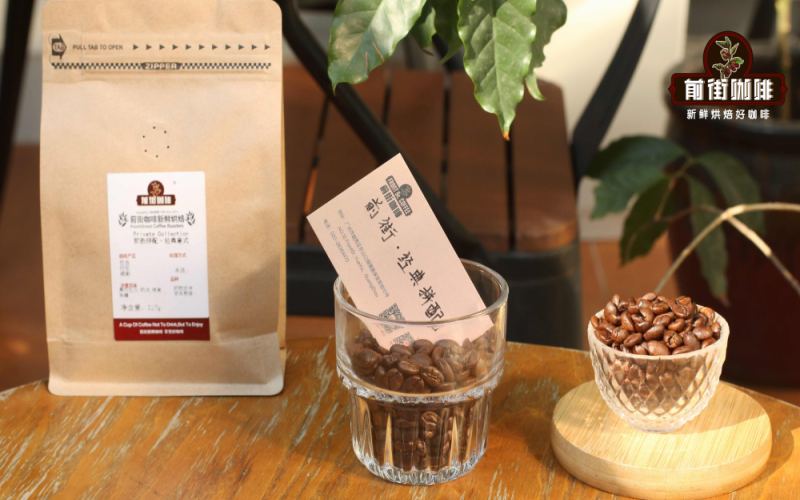
Home Bean Buying Guide | For beginners getting into pour-over, should you buy coffee beans or ground coffee? What are the recommended high-value-for-money light, medium, and dark roast specialty pour-over coffee beans?
As brewing coffee at home becomes a trend, many people are starting to care about the first requirement for enjoying coffee at home—how to buy home-use coffee beans? What is the difference between coffee beans and ground coffee? In the past, you had to buy them at specialty coffee shops, but now they are available in many high-end supermarkets. This article will tell you the basics of choosing home-use coffee beans. [more…]

How to Order Calmly at a Coffee Shop for the First Time? A Full Breakdown of Barista-Recommended Beginner Choices and Common Categories
Walking into a coffee shop for the first time, it's only natural to feel a bit overwhelmed by the dense list of coffee names on the menu. In fact, drinking coffee is as ordinary as ordering food at a restaurant—there's no need to feel nervous at all. If you want black coffee, you can start with an iced Americano; if you prefer milk coffee, a latte is a safe choice; and if you like sweetness, you can also try a flavored latte. If you really can't make up your mind, just describe your taste preferences directly to the barista—whether you want milk, whether you want it sweet, and whether you want it iced or hot—and they will patiently help you choose. This article also compiles an explanation of common coffee menu items, from espresso, SOE, Americano, and latte to cappuccino, flat white, Dirty, cold brew, and pour-over, to help you quickly understand the characteristics of each coffee so that ordering next time will be easier. [more…]
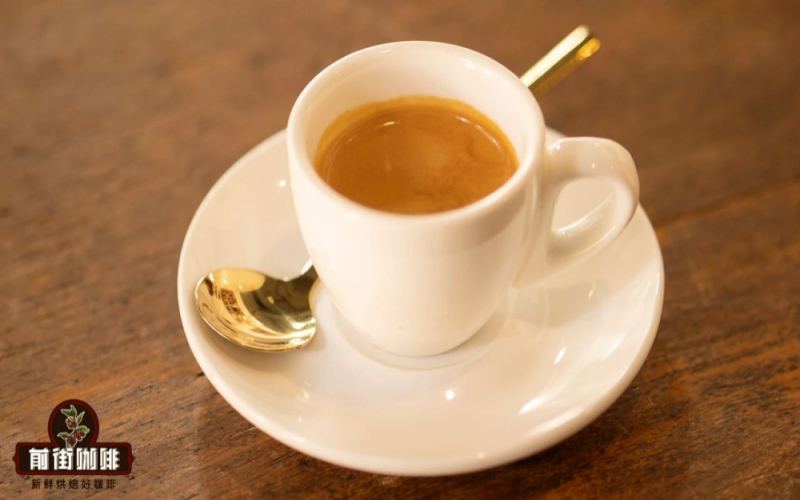
Espresso Brewing Guide: Standard Parameters, Flavor Characteristics, and Four Front Street Coffee Blend Recommendations
Espresso is the cornerstone of the modern coffee system and a topic every coffee lover cannot avoid. What should a qualified espresso look like? How should the six major parameters—dose, ratio, time, flow rate, pressure, and water temperature—be understood and coordinated? Starting from the production practices of Front Street Coffee, this article systematically sorts out the extraction standards and flavor characteristics of espresso, and provides a detailed introduction to the recipes, flavors, and applicable scenarios of four espresso coffee beans: Front Street Dark Cocoa Blend, Specialty Blend, Commercial Blend, and Warm Sun Blend. Finally, it includes practical reminders on coffee bean purchasing and the optimal tasting period, helping you make a satisfying Espresso at home or in a shop. [more…]
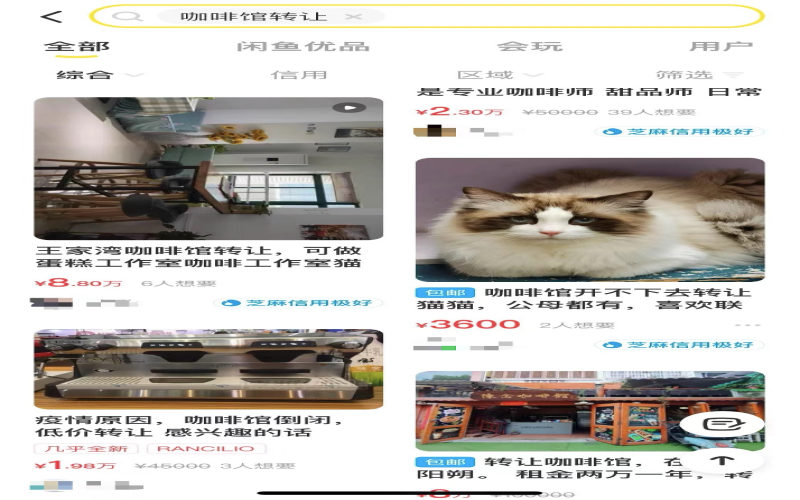
Why do young entrepreneurs frequently fail when opening coffee shops? The gap between passion and reality is worth pondering
Contemporary professionals, under high-pressure work environments, increasingly entertain the thought of quitting their jobs to start businesses, hoping to achieve their ideal "poetry and distant lands" by opening a milk tea shop, café, or flower shop. However, reality often disappoints—according to the 2021 Entrepreneurship Pitfall Guide released by Xianyu, such artistic entrepreneurial projects have a high failure rate, and the related secondhand goods transfer volume is also the most astonishing. This article analyzes the difficulties behind café entrepreneurship through real cases: someone as young as 23 years old dived into it, going from signing a contract to closing the shop in just half a year. What factors led these passionate entrepreneurs to fail? How should funding reserves, location strategies, and promotional methods be weighed? Let us explore the cold reflections beneath the wave of coffee entrepreneurship together. [more…]
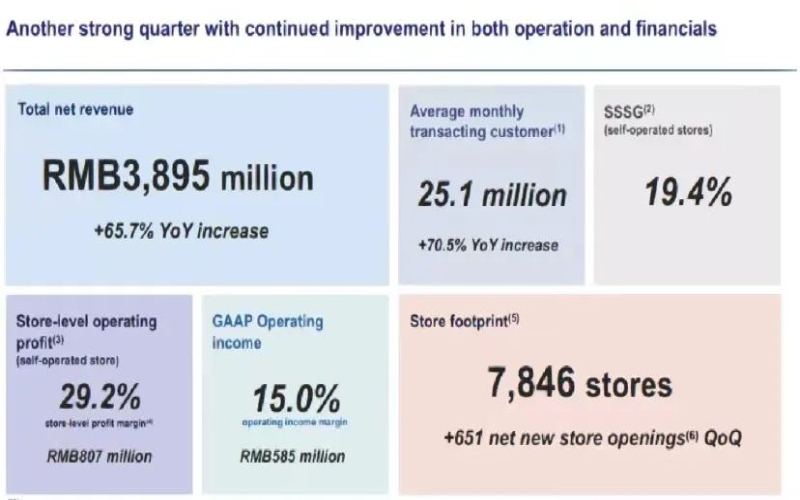
How did Luckin Coffee's store scale overtake Starbucks? Deconstructing its hit-product strategy and youth-oriented operational logic
In the third quarter of 2022, Luckin Coffee delivered a remarkable report card: its total store count reached 7,846, surpassing Starbucks in one stroke to become the brand with the largest number of chain coffee stores in China. From filing for bankruptcy protection to completing its turnaround, Luckin took only a little more than a year. Behind this was not only the sustained pull of hit products such as coconut latte and cheese latte, but also the combined efforts of social media marketing, reverse holiday co-branding, refined user operations, and a youthful R&D team. This article will analyze Luckin's store data, product logic, marketing tactics, and user strategy, while also exploring the significance of the affordable chain model for the popularization of coffee consumption in China. For readers who follow developments in the coffee industry, Luckin's path to breaking through is undoubtedly a sample worth studying. [more…]
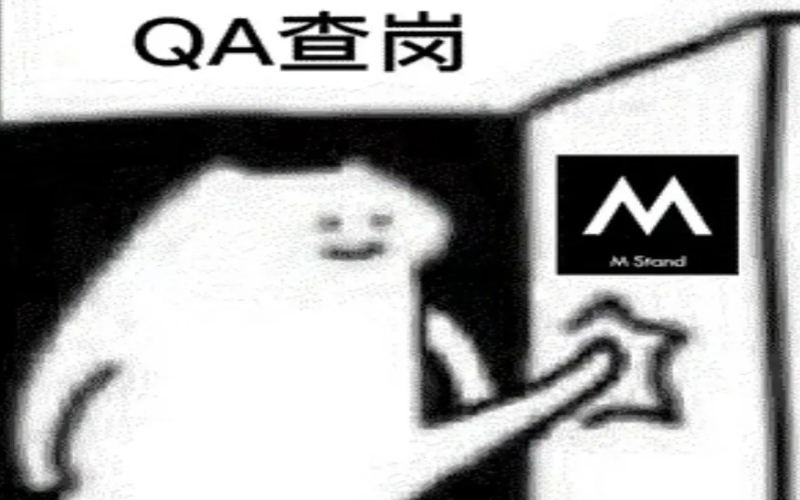
Inspections of chain coffee brands are getting stricter; employees complain that even cups and bags are now red lines, and the pressure of assessments has sparked heated discussion.
As coffee consumption continues to heat up, chain brands are stepping up inspections of store food safety and operations. Recently, an in-service Mstand barista spoke out on social media, complaining that after video audits were introduced, rules proliferated sharply—even drinking cups and takeaway bags became off-limits for employees, and any violation meant a red-line disciplinary action and forfeiture of performance pay. In the comments section, many peers chimed in with their own grievances, pointing to tight scheduling, high KPIs, and pressure from all sides, with some even speculating that this strict management approach was brought over by poached staff from Luckin. At the same time, Luckin itself is known for scheduled handwashing and rigorous cleaning, and its reputation for quality control has long been widely recognized. Strict oversight is in itself a necessary means of safeguarding consumer food safety, but how to strike the right balance and take frontline employees' legitimate rights and interests into account has become a topic worth deep reflection for brands, and Front Street Coffee will continue to follow such industry developments. [more…]
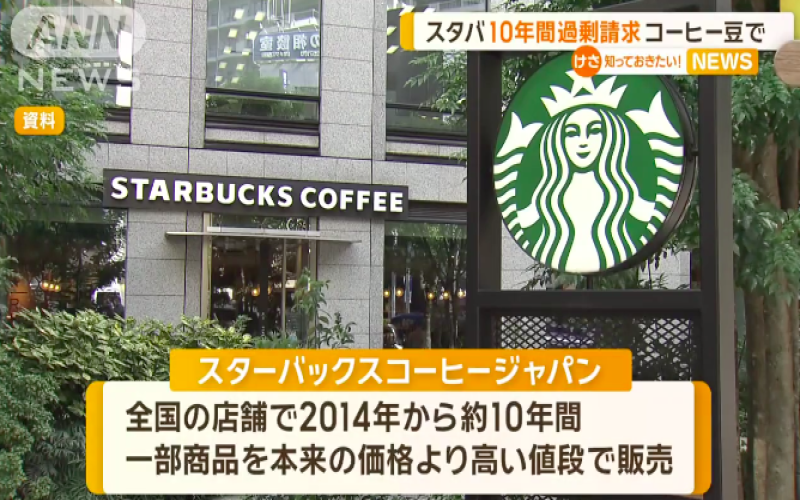
Starbucks Japan's Decade-Long Pricing Error: Overcharges on 164 Coffee Bean Products, Official Apology and Three Refund Options Announced
Starbucks Japan recently issued an announcement admitting that from September 2014 to January 2024, 164 types of coffee beans across its nationwide stores were sold above their listed prices due to a defect in the cash register system settings. Over the ten-year period, a total of 5,896 bags of affected products were sold, with overcharges amounting to 124,033 yen. The company has corrected the system and issued an apology, while offering three refund options: stored-value card members will automatically receive the difference back, while other customers need to bring a receipt or provide purchase information to handle it at the counter. Netizens generally believe the time span is too long and the amounts too small, and suggest apologizing with more practical compensation such as drink vouchers. [more…]
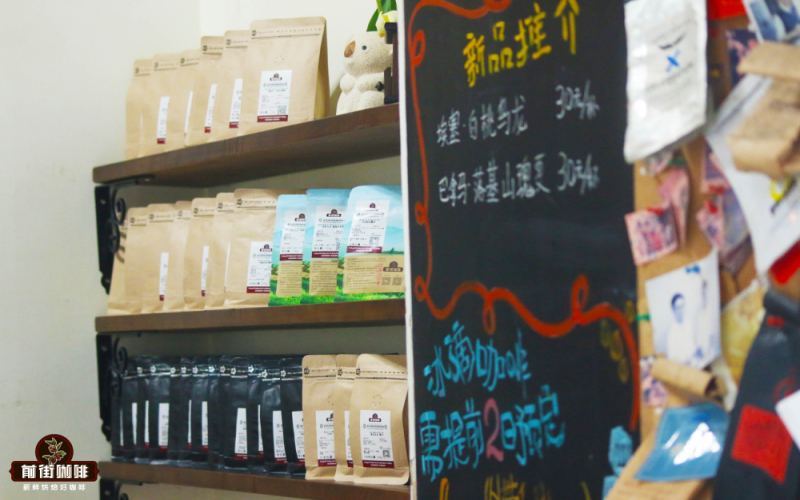
Resting and Blooming of Espresso Blend Coffee: Conceptual Differences, Time Windows, and Brewing Recommendations
Red wine requires decanting, while coffee has the concepts of resting and waking beans. After roasting, coffee beans trap carbon dioxide inside them, accounting for about 2% of their weight, and this gas needs time to slowly release. If freshly roasted beans are ground and brewed immediately, the gas pressure obstructs the exchange between hot water and coffee compounds, resulting in a dull flavor and even a dry, bitter sensation. Front Street Coffee recommends a resting period of 4 to 7 days after roasting; dark-roasted beans, being more porous and containing more gas, require slightly longer. At the same time, coffee aromas dissipate along with the carbon dioxide, so Front Street advises drinking the coffee within one month of roasting. This article will also use Indonesian Mandheling as an example to break down how the wet-hulled process gives it a rich, herbal flavor, and will include Front Street Golden Mandheling's brewing parameters. [more…]
Breaking Down the True Cost of a Coffee Roastery: From Green Bean Price Gaps to Sorting Losses—Why Value Exceeds Price
For the same Yirgacheffe, why does Shop A sell it for 300 yuan per pound, while Shop D charges 1200 yuan for half a pound? Behind the price gap is not just a game of origin labels, but also layer upon layer of costs including fluctuations in supply, green bean grade, roasting weight loss, and manual bean sorting. This article, from the perspective of a shop that roasts its own beans, breaks down the true structure of coffee bean pricing and explains why the value of "genuine goods at a fair price" is often more precious than the listed price. The article also mentions Front Street Coffee's tasting service, helping consumers judge in the most direct way whether a bag of beans is truly worth it. [more…]

Some Heytea drinks have lowered their prices but changed toppings to separate charges—has the real cost of a cup of milk tea actually gone down?
Milk tea brands are shouting about price cuts while charging separately for toppings, delivery fees, and insulated bags—is that cup in consumers' hands really cheaper? This article starts with the ordering experience on Heytea's GO mini-program, breaking down the actual unit price of a 9-yuan Pure Green Tea after adding toppings, delivery fees, and other extra charges, and, in light of tea shop density, delivery efficiency, and the industry's cost structure, analyzes how this round of price cuts looks more like a marketing move than a genuine giveback. It also cites estimates from a researcher at the Guangdong Tea Beverage Industry Committee on the costs and gross margins of high-end milk tea, helping coffee and tea enthusiasts see the ledger behind the price. [more…]